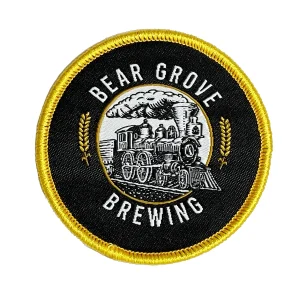
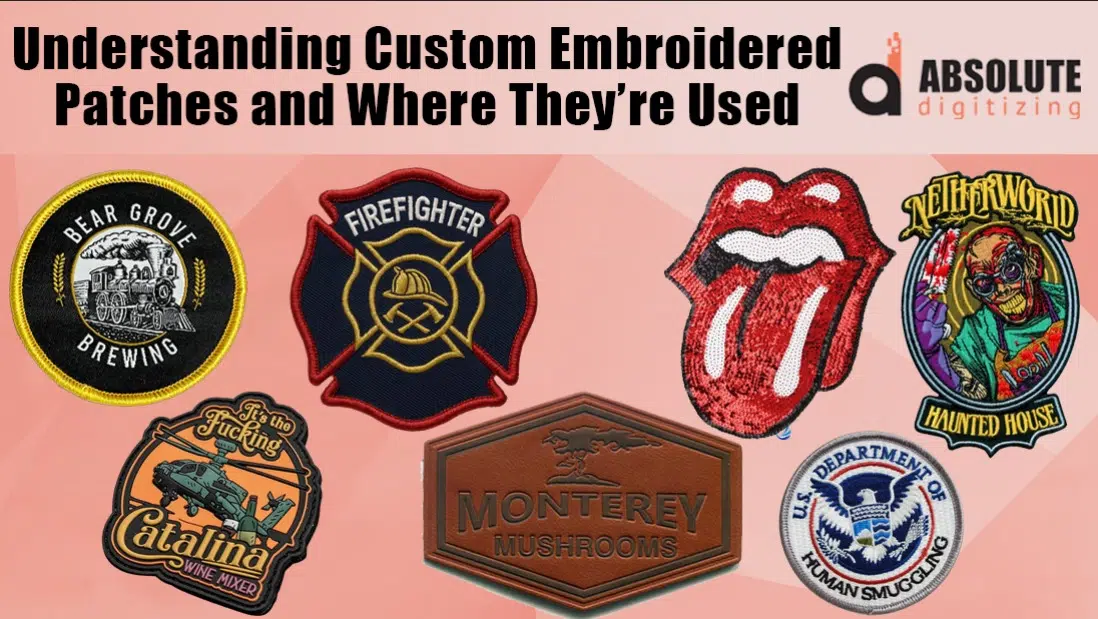
Custom embroidered patches create a strong visual impact with simple, effective design. People have used them for decades to show identity, achievement, and brand recognition. They remain popular because they are durable, versatile, and professional in appearance. Today, brands and organizations use patches across fashion, work uniforms, sports teams, clubs, and promotional merchandise. Patches help logos, names, and symbols stand out while adding value to garments and accessories.

However, patch quality and performance vary by type. Choosing the right patch directly affects durability, appearance, and overall cost. A patch that looks great on a jacket may not perform well on uniforms or outdoor gear. In this blog, we explain the 10 main types of custom embroidered patches, highlight where each type works best, and show why hiring professional custom embroidered patch services is the smarter choice for consistent quality and dependable results.

What Are Custom Embroidered Patches?

Custom embroidered patches are fabric pieces created by stitching threads directly into a base material to form logos, text, or artwork. Manufacturers produce these patches separately and then attach them to garments, bags, hats, or uniforms using sew-on, iron-on, or Velcro backing. As a result, patches offer flexibility and long-term use across many applications.

Embroidered vs Woven vs Alternative Patches

Embroidered patches use thicker threads, which create a raised and textured look. In contrast, woven patches use finer threads, making them flatter and better for small details or text. Meanwhile, alternative patch styles such as PVC or printed patches focus more on durability or color accuracy rather than texture.

Why Embroidery Is a Preferred Choice

Because embroidery adds depth and strength, it gives patches a premium and professional feel. In addition, stitched designs resist wear better than printed options. Therefore, many brands choose embroidered patches when they need long-lasting quality and a bold, high-end appearance.
The 12 Main Types of Custom Embroidered Patches

1. Embroidered Patches

Custom Embroidered patches

Description

Embroidered patches are the most classic and widely used patch type. They feature a raised thread texture created by stitching thick embroidery threads onto a fabric base. As a result, they deliver a bold, professional, and timeless look that stands out on any garment.

Common Backing Options

Embroidered patches come with several backing choices to suit different needs. Sew-on backing offers maximum durability and long-term attachment. Iron-on backing allows quick and easy application. Velcro backing provides flexibility, making patches removable and ideal for uniforms or tactical wear.

Where They’re Used

Embroidered patches are commonly used on work uniforms, biker jackets, sports team apparel, and corporate branding materials. Because of their durability and strong visual presence, they work well in both casual and professional settings.

Best Use

This patch type works best for bold logos, simple designs, and clear text. Embroidery handles solid shapes effectively, making embroidered patches a reliable choice for long-lasting and high-impact branding.

2. Chenille Patches


Chenille Patches

Description

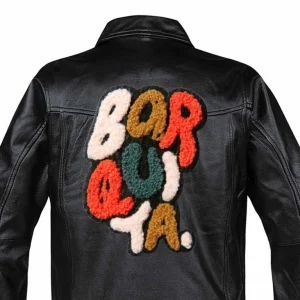
Chenille patches are known for their soft, fuzzy texture and bold, eye-catching colors. Instead of traditional flat stitching, they use looped yarn that creates a plush and raised surface. Because of this, chenille patches deliver a vintage and sporty look that immediately draws attention.

Construction and Backing

Manufacturers usually combine chenille patches with a felt backing to add structure and durability. The felt base helps maintain the patch’s shape while supporting the thick yarn used in chenille embroidery. As a result, these patches feel thicker and more substantial than standard embroidered patches.

Where They’re Used

Chenille patches are most commonly used on varsity and letterman jackets, college apparel, and modern streetwear brands. They have become a symbol of school pride and athletic achievement.

Best Use

Chenille patches work best for large letters, numbers, and simple shapes. Their bold texture makes them ideal for retro styles and classic varsity-inspired designs.

3. Woven Patches

Custom Woven Patch

Description

Woven patches use tightly woven threads to create clean and highly detailed designs. Instead of using thick embroidery stitches, this method weaves thinner threads together, which allows small text, fine lines, and intricate details to appear sharp and readable. As a result, woven patches offer excellent clarity where embroidery may fall short.

Texture and Appearance

Compared to embroidered patches, woven patches have a flatter and smoother surface. This low-profile finish makes them lightweight and comfortable, especially on garments that require flexibility. Although they lack the raised texture of embroidery, they make up for it with precision and detail.

Where They’re Used

Woven patches work well for small logos, text-heavy designs, and detailed corporate or club emblems. Many brands choose them when clarity matters more than texture.

Best Use

Woven patches are ideal when embroidery cannot capture fine details clearly. They provide a clean, professional look for complex designs and compact layouts.

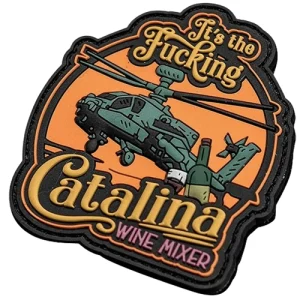
4. PVC (Rubber) Patches

Custom PVC Patches

Description

PVC patches are a popular non-embroidered alternative to traditional fabric patches. Manufacturers create them using soft, flexible rubber, which allows for molded designs with clean edges and bold colors. Because of their material, PVC patches perform well in demanding environments.

Durability and Performance

Unlike embroidered patches, PVC patches are waterproof, weather-resistant, and extremely durable. They do not fray, fade easily, or absorb moisture. As a result, they maintain their appearance even with heavy use and frequent exposure to outdoor conditions.

Where They’re Used

PVC patches are commonly used on tactical gear, outdoor clothing, backpacks, and caps. Many military, security, and outdoor brands prefer them for their toughness and long lifespan.

Embroidered vs PVC Patches

While embroidered patches offer a textured and classic look, PVC patches focus on durability and flexibility. Therefore, PVC works best for harsh conditions, while embroidery suits traditional and fashion-focused applications.

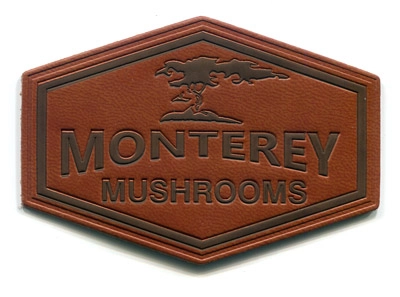
7. Leather Patches

Custom Leather Patches

Description

Leather patches are made from genuine or faux leather and offer a clean, premium appearance. Instead of relying heavily on thread work, these patches focus on texture and material quality. As a result, they create a subtle yet sophisticated branding effect.

Design Options

Manufacturers can enhance leather patches using embroidery, debossing, or laser engraving. Embroidery adds a stitched accent, while debossing and laser engraving create recessed or engraved designs. These techniques keep the design minimal while maintaining a high-end feel.

Where They’re Used

Leather patches are commonly used on denim jeans, jackets, caps, and other fashion garments. Many premium and lifestyle brands choose leather patches to elevate their products and reinforce brand identity.

Best Use

Leather patches work best for minimalist designs and high-end branding. They are ideal when the goal is to achieve a refined, durable, and stylish look rather than bold or colorful graphics.

8. Sublimated (Printed) Patches

Sublimated Patches

Description

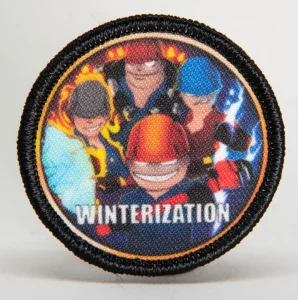
Sublimated patches, also known as printed patches, use heat transfer printing instead of traditional stitching to apply the design. This process transfers ink directly into the fabric, allowing for smooth and precise visuals. As a result, these patches can reproduce artwork that embroidery cannot handle easily.

Design Capabilities

Because sublimation uses printing rather than thread, it supports gradients, photographic images, and complex color combinations. Fine shading and detailed artwork appear clear and accurate without the limitations of stitch density or thread count.

Where They’re Used

Sublimated patches are commonly used for event patches, promotional items, and designs that require detailed graphics. They are especially popular for short-term use or special occasions.

Best Use

These patches work best when embroidery limitations matter. When a design includes photos, color blends, or intricate details, sublimated patches provide a practical and visually accurate solution.

9. Sequin Patches

Sequin patches

Description

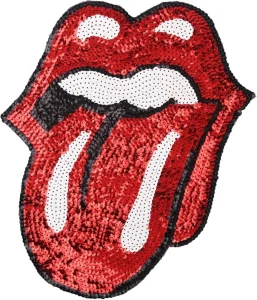
Sequin patches are decorative patches designed to add shine and visual excitement. They feature small, reflective sequins stitched onto a fabric base, creating a bright and eye-catching effect. Because of their sparkle, these patches instantly attract attention.

Style and Durability

Unlike embroidered or PVC patches, sequin patches focus more on appearance than long-term durability. The sequins enhance visual appeal but are not ideal for heavy wear or frequent washing. Therefore, they suit fashion-focused applications rather than functional use.

Where They’re Used

Sequin patches are commonly used on dance costumes, stage outfits, and kids’ and women’s apparel. Designers often choose them to create playful, glamorous, or performance-ready looks where visual impact matters most.

10. Badge-Style Patches

Badge Style patch

Description

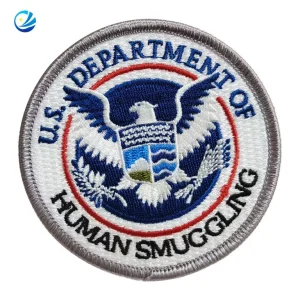
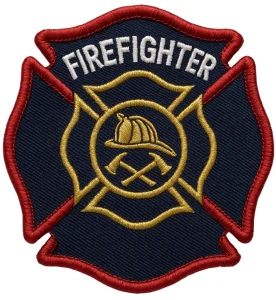
Badge-style patches feature structured shapes such as shields, circles, or classic emblems. These patches often include strong borders, layered stitching, and symbolic elements that represent authority, membership, or achievement. Because of their defined shapes, they deliver a formal and recognizable appearance.

Design Characteristics

Designers typically use bold outlines, clear icons, and limited colors to ensure the badge remains easy to identify. Embroidery helps reinforce borders and symbols, which adds durability and a professional finish.

Where They’re Used

Badge-style patches are widely used by police and security agencies, scouts and clubs, and corporate organizations. Many companies also use them as recognition badges to mark rank, service, or achievement.

Best Use

These patches work best when identity and symbolism matter. They clearly communicate affiliation, status, and credibility across uniforms and official apparel.

11.Name & ID Patches

Name ID Patches

Clear and Readable Design


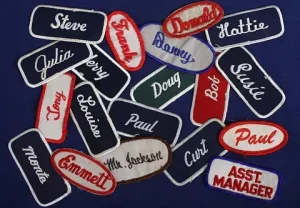
Name and ID patches use clean, bold lettering that stays easy to read even from a distance. Designers prioritize clarity over decoration so teams can identify names and roles quickly in professional settings.

Standard Shape and Layout


Most name and ID patches feature a rectangular shape that fits smoothly on uniforms, jackets, and work shirts. This layout keeps the patch visible without adding bulk or disrupting the overall look.

Common Uses


Factories, mechanics, technicians, medical staff, and security teams rely on name and ID patches for fast and clear identification during daily work.

Built for Durability


High-quality embroidery and strong materials help these patches resist fraying, fading, and wear, even after frequent washing and long-term daily use.

12.Military & Morale Patches

Military patches

Purpose and Design

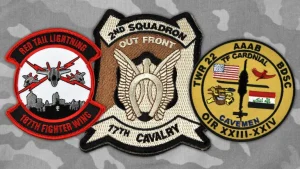
Military and morale patches represent identity, pride, and unit spirit. Designers incorporate national flags, unit insignia, ranks, mottos, and symbolic artwork to communicate meaning and unity. Teams choose bold, detailed, or minimalist styles based on the message they want to display.

Materials and Backing


Manufacturers produce these patches using embroidery or PVC to match either a classic or modern tactical look. Most patches include Velcro backing, which allows users to attach, remove, or swap them quickly on uniforms, vests, and tactical gear.

Common Uses

Active military units, airsoft and tactical teams, and collectors use military and morale patches to showcase affiliation, achievements, and themed or limited-edition designs.

Why Hiring Custom Embroidered Patch Services Is the Smarter Choice

Design Accuracy and Professional Digitizing

Professional digitizers create accurate stitch files that control stitch density, underlay, and stitch direction from the start. This precision prevents common issues such as puckering, thread breaks, and distorted details. Poor digitizing often forces the fabric to pull or the thread to snap during stitching. Experts test and adjust designs based on the patch material, ensuring the embroidery stitches cleanly and holds its shape. As a result, the final patch looks sharp, durable, and professional on any fabric or backing.

Right Patch Type Selection

Experts help you choose the correct patch type for your design and usage. They clearly explain when to use embroidered, woven, or PVC patches based on detail level, durability, and environment. This guidance prevents wasted money on the wrong option and ensures the patch looks and performs exactly as intended. The right choice improves both appearance and long-term wear.

 Consistent Quality and Bulk Savings

Professional services deliver consistent quality across large and repeat orders. They maintain uniform stitching, accurate color matching, and clean finishing on every patch. Bulk production also reduces per-unit costs, making large orders more cost-effective. In addition, professionals use premium threads and strong borders to produce patches that last longer and look better.

Faster Turnaround and Fewer Mistakes

Professional patch services manage production efficiently to meet tight deadlines. Their experience reduces errors, eliminates guesswork, and prevents damage to garments or materials. This streamlined approach saves time and ensures reliable results, making professional services ideal for commercial use and urgent orders.

Conclusion: Choosing the Right Patch and the Right Partner

Understanding different patch types helps you choose the right solution for your specific needs. Each patch serves a clear purpose, whether you use it for uniforms, fashion, promotions, or identification. Patches do more than decorate garments. They communicate identity, professionalism, and brand strength. When you select the right material, backing, and design, your patches stay durable, readable, and visually appealing in real-world use.

Working with a professional custom embroidered patch service ensures consistent quality and reliable results. Professionals control stitching, finishing, and materials to deliver patches that last. Hiring experts is not an unnecessary expense. It is a smart investment in durability, clean execution, and a strong brand image that builds trust and leaves a lasting impression.

Get your Instant Free Quote at Absolute Digitizing.