
| Starting an embroidery business works best when you start small, price smartly, and focus on quality. Strong planning, clean digitizing, and repeat customers help you grow with less risk.
|
Starting an embroidery business can feel exciting and a little scary at the same time. You may love creating designs, but running a business takes more than skill. You need the right tools, smart pricing, and a clear plan. The good news is that you do not need to start out big to do well.
In fact, many successful machine embroidery businesses begin at home with simple equipment and a small group of loyal customers. With the right steps, you can grow slowly, avoid costly mistakes, and build a business that brings steady income. That is why learning the basics early matters so much.
In this guide, you will learn five helpful tips to start strong. You will also learn about startup costs, pricing, useful tools, and popular embroidery trends.
If you need clean, professional help with embroidery files, Absolute Digitizing can support you with reliable embroidery digitizing services as you grow.
- Why an Embroidery Business Is a Smart Idea?
- What Are the 5 Crucial Tips for Starting an Embroidery Business?
- Is it profitable to run an embroidery business?
- How Much Does It Cost to Start an Embroidery Business?
- What is the best way to price embroidery?
- Final Thoughts: Start Small, Learn Fast, and Grow with Confidence
- FAQs
Why an Embroidery Business Is a Smart Idea?
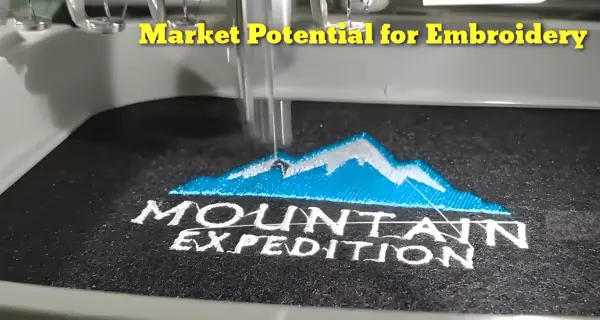
Starting an embroidery business makes sense today because people still want products that feel personal. Etsy reported 86.5 million active buyers at the end of 2025, and custom or made to order items made up about 30 percent of Etsy marketplace sales. That is a strong sign that shoppers still value unique goods.
Also, this business is flexible. You can begin from home, sell to local schools or small brands, and grow online at the same time. Modern embroidery machines now support faster multi needle work, wireless features, and easier setup for both beginners and business owners.
Why this market works
- You can start small from home
- You can serve local and online buyers
- You can pick a niche and grow step by step
| Market Path | Common Products |
|---|---|
| Local orders | uniforms, caps, team wear |
| Online orders | gifts, hoodies, tote bags |
Finally, new tools make growth easier. Shopify says personalization and social commerce remain key trends, and Shopify compatible embroidery fulfillment helps sellers launch without holding inventory.
What Are the 5 Crucial Tips for Starting an Embroidery Business?
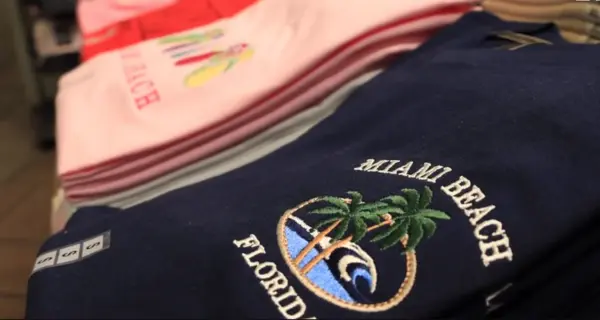
Starting an embroidery business gets easier when you follow a simple plan. You do not need to do everything at once. You need to know your market, find the right buyers, protect quality, and grow in a smart way. A strong business plan and solid market research help you reduce risk and build with more confidence.
1. Market research
Market research helps you identify customers and understand what sets your shop apart. It also shows you what people already buy, what your competitors offer, and where you can do better. This step matters because many new owners guess rather than check actual demand. That mistake can waste time and money.
A good starting point is to set one clear goal for your first year. You may want 10 repeat clients, 50 local orders, or one steady niche. When your goal is simple, your decisions get easier. You know what products to test, what content to post, and what equipment to buy.
1.1 Find Your Niche
A niche helps people remember you. Instead of serving everyone, serve one group really well. For example, a new shop may focus on school polos, work uniforms, baby gifts, or small business caps. A clear niche makes your samples, pricing, and message stronger.
Suitable niches to explore:
- School and team apparel
- Small business polos and caps
- Work uniforms for local trades
- Baby gifts and name items
- Church and community group shirts
- Event and promotional products
| Niche | Why it works | Good starter products |
|---|---|---|
| Local businesses | Repeat orders are common | polos, caps, jackets |
| Schools and teams | Seasonal demand is strong | hoodies, jerseys, bags |
| Gifts and baby items | Personalized items sell well | bibs, blankets, towels |
| Contractors and trades | Branding helps them look professional | work shirts, hats |
A real example is a small home shop that starts with one clean offer, such as left chest logos for local contractors. That shop can grow faster than a shop that tries hats, patches, gifts, and jackets all at once. The common mistake is going too wide too early.
1.2 Create Your Website
Your website should act like your digital storefront. It gives people a first impression and shows them the next step. Keep it simple. Add a homepage, services page, gallery, quote form, and contact page. If people cannot see your work or request a quote quickly, many will leave. A business website also supports search visibility and trust.
1.3 Invest in the right equipment
Buy equipment for the work you want now and the work you expect soon. Think about hoop sizes, cap support, machine speed, service, parts, and training. Do not buy the cheapest setup if it cannot handle your main order type. Still, do not overspend on features you will not use in year one. The smart move is to match your machine to your niche.
A simple example is this. If you plan to sell mostly uniforms and polos, reliable flat work matters more than special effects. If you want cap work, cap support matters more. The common mistake is buying based on excitement instead of workload.
1.4 Build trust with simple marketing
Small shops often win with simple marketing. Ask happy buyers for referrals. Show samples online. Network in local groups. Partner with businesses that serve the same buyers. Also, offer one easy starter deal, such as a sample logo stitch out or a first order bundle. These steps help people try your service with less risk.
1.5 Build a portfolio
Your portfolio should show clear, real examples. Include close-up photos, fabric types, stitch detail, and product use. Show the same logo on multiple items when possible. This helps buyers picture their own order. A strong portfolio also reduces doubt, especially for first time buyers. The common mistake is posting random designs with no clear audience.
2. Develop your customer list
Your customer list is one of your best business assets. Keep names, emails, phone numbers, order types, and reorder dates in one place. This helps you follow up, ask for reviews, and remind buyers when they may need more shirts, hats, or uniforms. Businesses grow faster when they stay in touch with past customers.
2.1 Prefer Local Community
Local buyers are often the easiest place to begin. Reach out to schools, gyms, churches, cafés, trade crews, and small offices. Visit them with samples. Speak clearly about turnaround time and minimums. Local work can bring referrals faster because people already know your area and trust the nearby service.
2.2 Prefer Contract Customers
Contract customers can keep your schedule full. These may include offices, restaurants, cleaning companies, repair teams, or event groups that place repeat orders. Recurring work is more stable than one time gift orders. It also helps you forecast thread, blanks, and labor. In some cases, small businesses can even explore formal contract opportunities because large buyers, including public buyers, do purchase from small firms.
3. Embroidery digitizing: way to make your brand popular
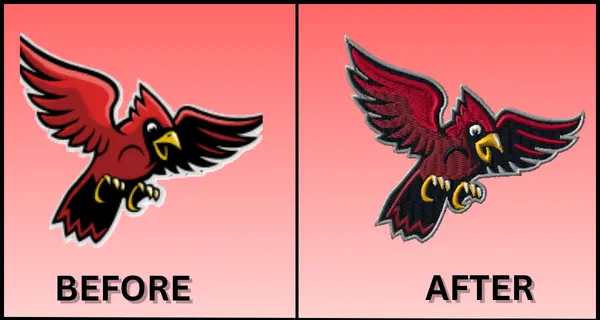
Digitizing helps your business look more professional by turning artwork into a stitch file your machine can read. During that process, the design is built with stitch types, direction, density, and underlay stitches so it can sew cleanly on fabric. Good digitizing helps logos look sharp and consistent, which makes your client’s brand look stronger too. That puts your shop one step ahead of sellers who only focus on price.
3.1 Handle embroidery digitizing properly
Do not treat digitizing like a quick file conversion. A clean result depends on stitch path, sequence, density, pull compensation, and the size of the final logo. A logo that looks appealing on a hoodie may fail on a cap or thin polo if the file is not adjusted well. The common mistake is using one file for every product.
3.2 Mandatory knowledge of fabric, texture, and type of apparel
Fabric changes the way stitches behave. Thick towels, smooth satin, stretch knits, denim, and caps all need different settings. Digitizing systems often use different fabric specific settings for density, pull compensation, and underlay because these must change with the material. If you ignore fabric, you may get gaps, puckering, or hard designs.
3.3 When to digitize embroidery in house?
The right time to move digitizing in house is when you have steady volume, many same day edits, or enough repeat clients to justify training time. Entry editing tools can start in the low hundreds and may include resizing, stitch recalculation, merge tools, and overlap removal.
More advanced suites add auto digitizing, lettering, sequencing, and deeper object editing, but they also require more cost, skills, and time.
For most startups and small shops, outsourcing is the more cost effective choice at the beginning. It saves training time, reduces software cost, and helps you deliver cleaner files while you learn production. Later, you can hire or train an in-house digitizer when file volume becomes steady enough to support that role.
If you want clean, reliable stitch files without adding extra stress to your workflow, Absolute Digitizing is here to help. Our expert team can support your embroidery business with quality digitizing, clear communication, and dependable turnaround as you grow.
4. Test and practice
Testing protects your reputation. Run a sample on the same fabric before full production. Check thread breaks, registration, density, and backing choice. Keep notes on what worked. Over time, those notes become your shop playbook.
Practice should focus on real jobs, not random artwork. Train on left chest logos, caps, names, and simple uniforms. These are common orders for new shops. A smart owner tests small details early instead of fixing 24 damaged shirts later.
5. Be a part of trade organization
A trade organization can open the door to useful knowledge. Industry groups offer training, networking, tools, savings, and community support. Some also provide directories that help buyers find member shops. Such resources can be helpful when you are still building your name.
The network also gives you access to people who have solved the problems you are facing now. You can learn from experienced owners, adopt proven ideas, and sometimes benefit from member pricing or shared resources. The biggest mistake is trying to learn everything on your own when a trusted network already exists.
Key Takeaways for Starting an Embroidery Business
- Research your market and pick a clear niche
- Build a website and a strong portfolio
- Invest in the right equipment from the start
- Grow your customer list through local and contract clients
- Use quality digitizing and understand fabric types
- Test your work often and join trade groups for learning
Is it profitable to run an embroidery business?
Yes, an embroidery business can be profitable when you price well and control waste. Home based shops often start with lower overhead, while commercial shops can earn more through bulk orders. Online stores add another path by selling personalized items without relying solely on local walk in buyers. Customers also see embroidery as durable and premium, which supports stronger pricing.
What drives profit in embroidery business
- Repeat customers raise profit
- Smart pricing protects margins
- Fast turnaround wins more orders
- Clean digitizing cuts mistakes
- Bulk orders improve efficiency
A practical target margin for many custom product sellers is around 20 to 40 percent, though strong branding and good pricing can push some orders higher. Profit drops when shops underprice, waste blanks, or redo poor stitch files. To grow, focus on repeat clients, simple best selling items, and smooth production.
How Much Does It Cost to Start an Embroidery Business?
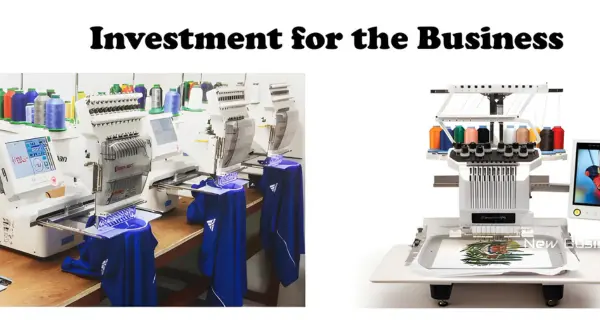
The cost depends on your setup. A lean home business can start with a basic embroidery machine in roughly the $500 to $1,200 range, while multi needle business machines often start around $6,000 and can move well past $15,000. Full digitizing software can add a few hundred dollars to about $1,300, depending on the tools you need.
Besides the machine, you will need thread, stabilizer, hoops, blank items, a small workspace, and a simple website or ad budget.
Main cost areas
- Machine and hoops
- Digitizing software
- Thread and stabilizer
- Blank products
- Website and marketing
- Ongoing repairs and supplies
Startup Investment Analysis of Embroidery Business
| Cost area | Home-based starter | Growth or commercial setup | Cost type | Notes |
|---|---|---|---|---|
| Embroidery machine | $380 to $1,000 | $6,000 to $16,000+ | One-time | Depends on the state and business type |
| Digitizing software | $139 to $300 | $300 to $650+ | One-time | Higher tools add more editing control |
| Thread and bobbin stock | $30 to $100 | $150 to $400 | Recurring | Includes snips, extra hoops, and oil |
| Stabilizer and backing | $15 to $80 | $100 to $300 | Recurring | Depends on fabric and order volume |
| Needles, hoops, small tools | $50 to $200 | $150 to $500 | Mixed | Includes snips, extra hoops, oil |
| Blank apparel and test items | $100 to $300 | $300 to $1,000+ | Recurring | Shirts, caps, towels, samples |
| Workspace setup | $0 to $300 | $500 to $2,000+ | One-time | Table, lighting, storage, chair |
| Website and branding | $100 to $500 | $500 to $2,000+ | Mixed | Domain, logo, product photos |
| Marketing and ads | $50 to $200 | $300 to $1,000+ | Recurring | Social ads, flyers, local promos |
| Licenses, permits, insurance | Varies | Varies | Mixed | Depends on state and business type |
| Utilities and maintenance | $25 to $100 monthly | $150 to $500+ monthly | Recurring | Power, repairs, servicing |
What is the best way to price embroidery?
Price your embroidery by using a simple formula. Add garment cost, thread and backing, labor, machine time, digitizing or setup, and overhead. Then add your profit margin. Design size, stitch count, fabric type, and order quantity can change the price, so one logo may not fit every job. Small business pricing should also account for taxes and ongoing operating expenses, not just materials.
What to include in every quote
- Blank item cost
- Machine and labor time
- Digitizing or setup fee
- Overhead and profit
A practical method is flat pricing for simple jobs and tiered pricing for bulk orders. Many embroidery shops also add a separate setup fee for new logos and give volume discounts on larger runs. As your business grows, review your prices often and raise them when your costs, speed, or quality improve.
Final Thoughts: Start Small, Learn Fast, and Grow with Confidence
Starting an embroidery business does not mean you need to do everything at once. You can begin with a clear niche, the right tools, smart pricing, and simple marketing. As you grow, strong digitizing, regular practice, and good customer service will help you build trust and get repeat orders.
Even a small setup can turn into a successful business when you stay focused and keep learning. Take one step at a time, test your work, and improve with every order.
If you want clean, reliable, and professional embroidery files, contact Absolute Digitizing for trusted digitizing solutions that can help your business grow with confidence.
FAQs
Can I start an embroidery business from home?
Yes, many people start from home with a small machine and basic tools. This helps you keep costs low while you build your customer base.
How much should I charge for a logo embroidery order?
Your price should cover the garment, thread, labor, machine time, and digitizing. Then add a fair profit so your business stays healthy.
How do I get customers for my embroidery business?
Start with your local area, such as schools, small businesses, sports teams, and community groups. You can also use social media, a simple website, and referral offers to bring in steady orders.
What products sell best in an embroidery business?
Popular items include polos, caps, hoodies, uniforms, tote bags, and baby gifts. Products that people use often or buy in bulk usually sell well.