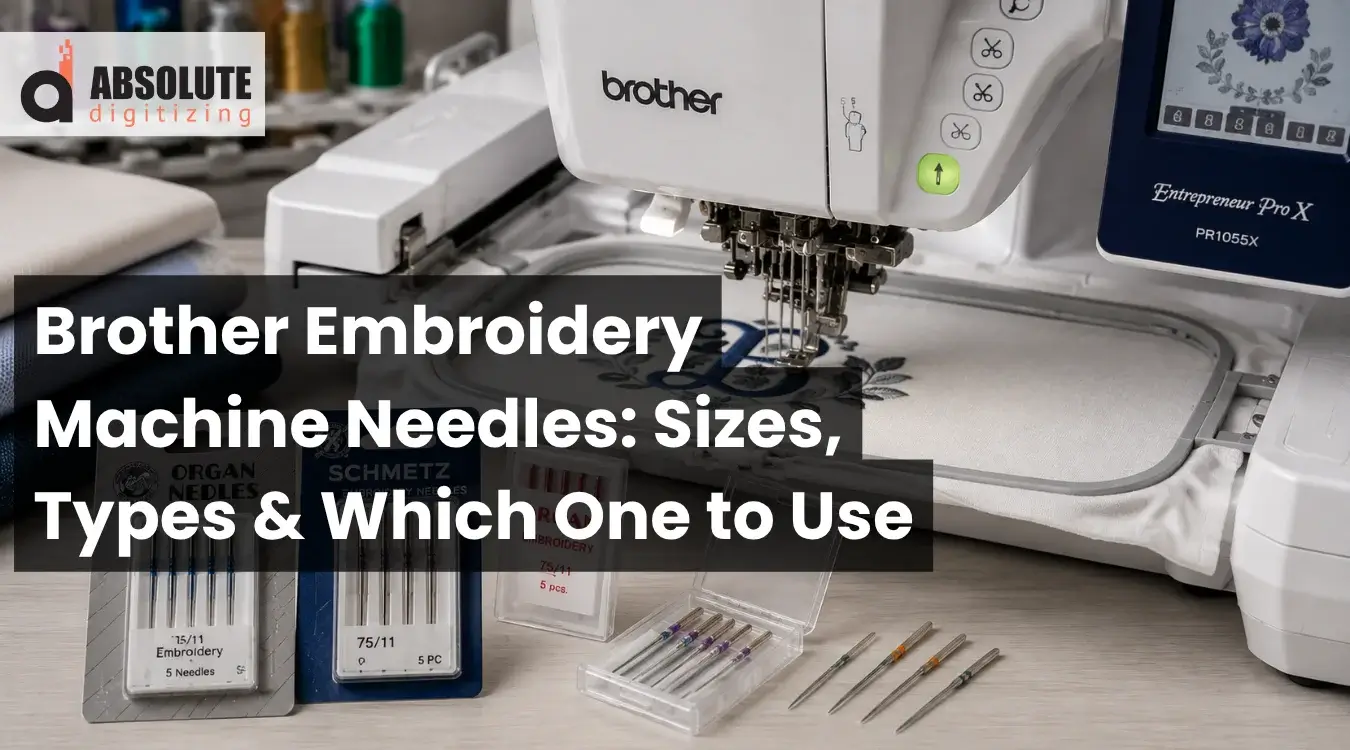
The needle has a big impact on your embroidery results. The wrong needle can cause thread breaks, needle breaks, skipped stitches, fabric damage, and poor stitching. Choose the needle based on your Brother machine, fabric, thread, and design.
Brother makes both home and multi-needle embroidery machines. These machines may use different needle systems and sizes. In this guide, we explain Brother embroidery machine needle sizes, types, and how to choose the right one. Hire the best embroidery digitizing services to turn your logo or artwork into a clean, machine-ready embroidery file for smooth stitching and better results.

- What Type of Needle Does a Brother Embroidery Machine Use?
- Understanding Brother Embroidery Needle Sizes
- Which Needle Should You Use for Different Fabrics?
- Which Needle Brands Work With Brother Embroidery Machines?
- Brother Single-Needle vs. Multi-Needle Machine Needles
- How Often Should You Change an Embroidery Needle?
- Why Does My Brother Embroidery Machine Keep Breaking Needles?
- How Professional Digitizing Helps You Get Better Embroidery Results
- How to Choose the Right Brother Embroidery Needle
What Type of Needle Does a Brother Embroidery Machine Use?
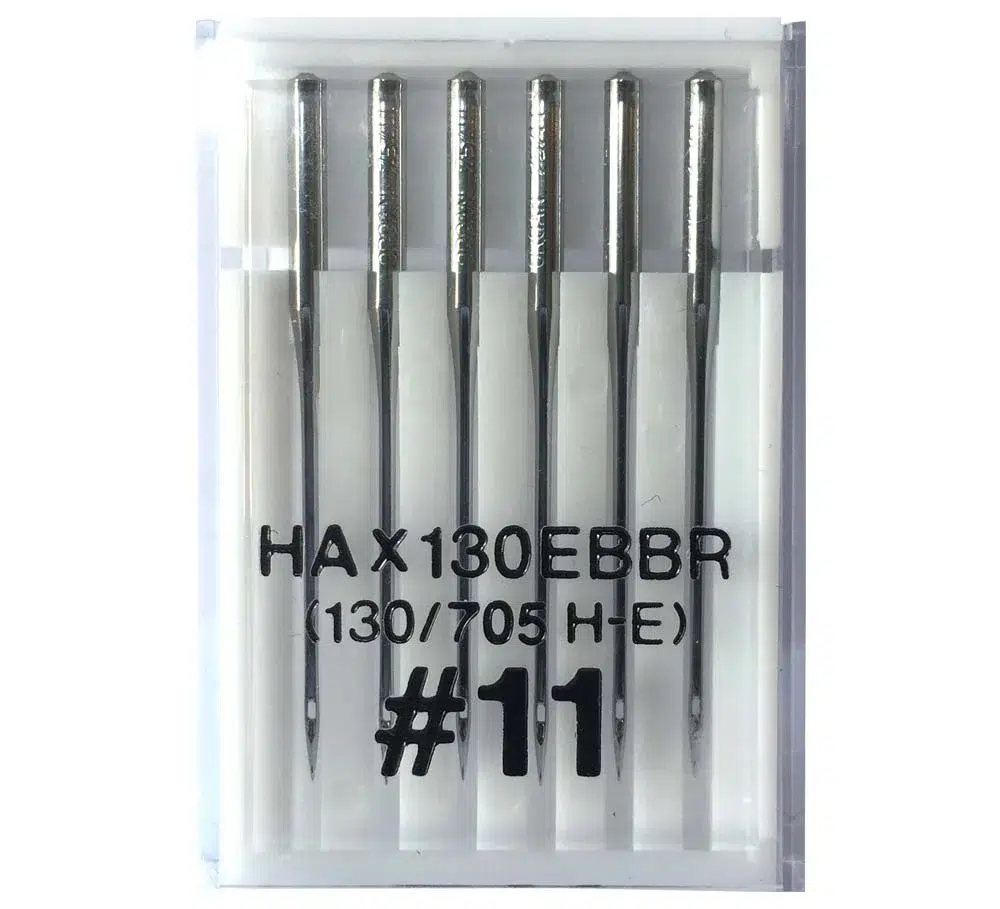
Brother embroidery machines use needles made for sewing or embroidery. The correct needle depends on your machine model.
They generally fall into three groups:
- Home embroidery machines: These machines often use standard home sewing or embroidery needles.
- Sewing and embroidery machines: These combo machines can sew and embroider. The needle choice depends on the fabric and project.
- Multi-needle embroidery machines: These machines may use a different needle system. Always check the model requirements.
Needle Size vs Type
Needle size and type are different.
- 75/11 refers to the needle size.
- 80/12 and 90/14 are other common sizes.
- Sharp describes the shape of the needle point.
- Ballpoint describes a rounded needle point made for knitted fabrics.
Always check your machine manual before buying needles. It will tell you which needle system and sizes your machine supports.
Do not assume every Brother embroidery machine uses the same needle. Always check your model’s manual first.
| Needle Size | Best For |
|---|---|
| 65/9 | Lightweight fabric and fine embroidery |
| 75/11 | Cotton, shirts, and general embroidery |
| 80/12 | Polos, sweatshirts, and medium fabrics |
| 90/14 | Denim, canvas, and heavier materials |
These are general guidelines. Your fabric, thread, and design can change the best needle choice. Always check your Brother machine manual before using a different needle size.
Understanding Brother Embroidery Needle Sizes
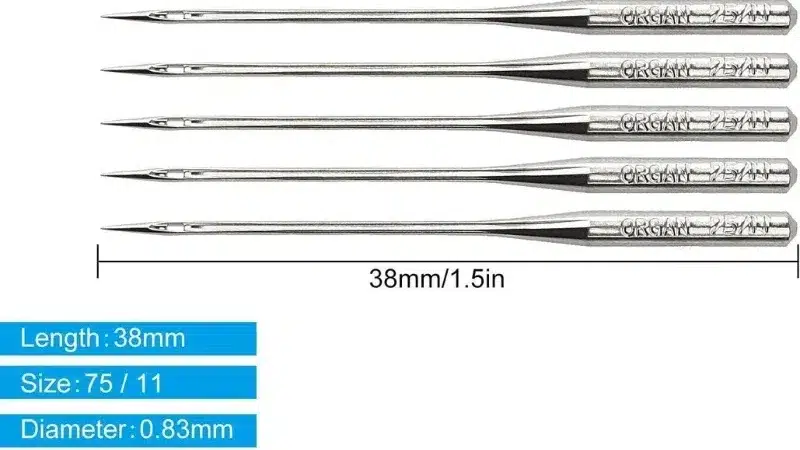
Brother embroidery needle sizes use two numbers. A common example is 75/11.
- 75 is the European needle size.
- 11 is the American needle size.
Both numbers describe the same needle thickness.
Smaller numbers mean a thinner needle. Larger numbers mean a thicker needle. Thin needles work well on light fabrics. Thick needles work better on heavier materials.
Common Brother Embroidery Needle Sizes
- 65/9: Use this size for very light fabrics and fine thread.
- 75/11: This is a common choice for everyday embroidery.
- 80/12: Use this size for medium-weight fabrics.
- 90/14: Choose this size for thicker and heavier materials.
| Needle Size | Best For |
|---|---|
| 65/9 | Lightweight fabric and fine embroidery |
| 75/11 | Cotton, shirts, and general embroidery |
| 80/12 | Polos, sweatshirts, and medium fabrics |
| 90/14 | Denim, canvas, and heavier materials |
These sizes are general guidelines. Your fabric, thread, and design can affect the right choice. Always check your machine manual before using a new needle size.
Which Needle Should You Use for Different Fabrics?
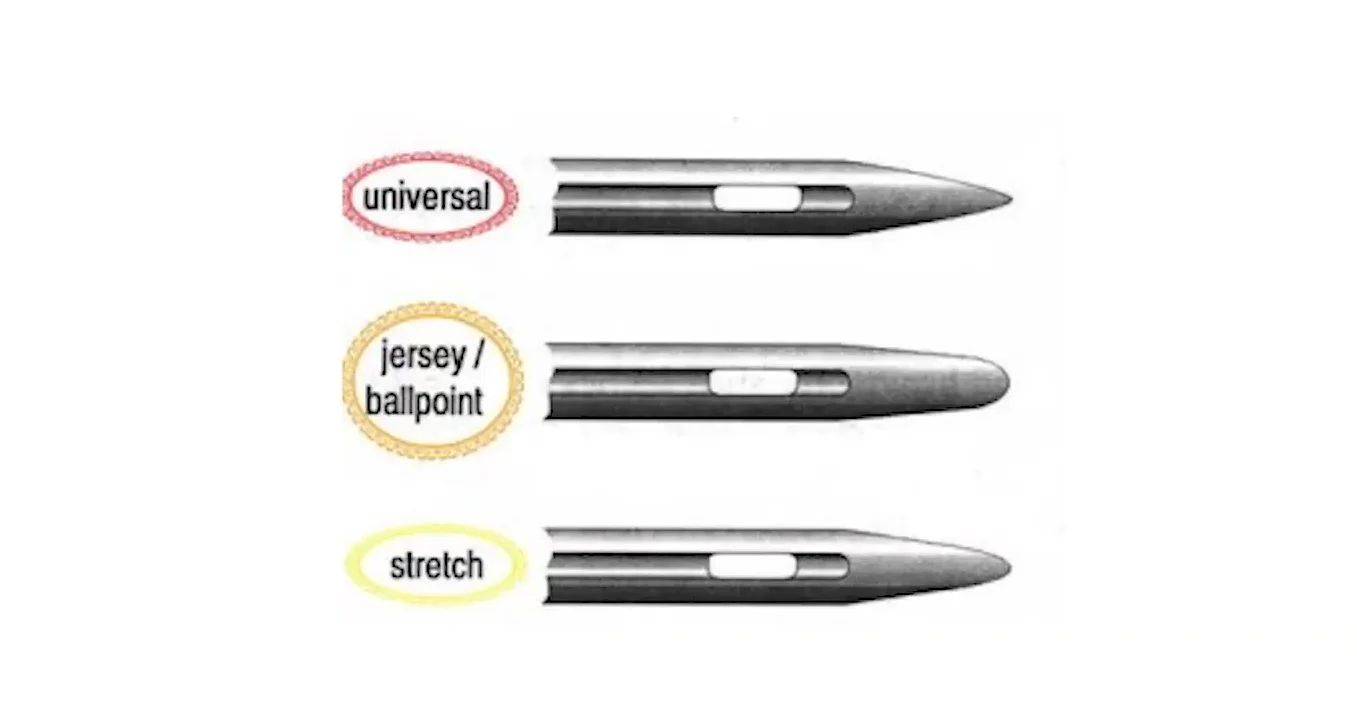
The choice depends on the fabric you plan to embroider. Some fabrics need a thin needle. Others need a stronger or more rounded point.
Cotton Shirts
A 75/11 embroidery needle works well for many cotton shirts. It gives you a good balance between strength and clean stitching.
Polo Shirts
Most polo shirts use knitted fabric. A ballpoint needle often works better because it moves between the fabric fibers instead of cutting through them.
T-Shirts
Use a ballpoint needle for most T-shirts. Also use the right stabilizer. Thin knit fabric can stretch or pucker during embroidery.
Sweatshirts and Hoodies
A medium-size needle such as 80/12 often works well. Use proper backing to support the heavier fabric.
Denim
Denim needs a stronger needle. Try 80/12 or 90/14, depending on the fabric thickness.
Caps
Caps can be harder to embroider because of their shape and thick seams. Structured caps are often stiff and layered. Choose the right needle size and type for the material. Good digitizing also matters on caps. Poor stitch density or bad sequencing can increase thread and needle problems.
| Fabric | Common Needle Choice |
|---|---|
| Cotton shirts | 75/11 |
| Polo shirts | Ballpoint 75/11 or 80/12 |
| T-shirts | Ballpoint 75/11 |
| Sweatshirts | 80/12 |
| Denim | 80/12 or 90/14 |
| Caps | Depends on cap style and thickness |
Which Needle Brands Work With Brother Embroidery Machines?
Organ and Schmetz are two popular needle brands. Both make needles that work with many Brother embroidery machines. However, they do not automatically fit every Brother model.
The main thing to check is the needle system required by your machine.
Brother Home Embroidery Machines
Many Brother home embroidery machines use standard home sewing-machine needles.
A 75/11 embroidery needle is common for normal embroidery. Heavier fabrics may need a larger size, such as 90/14.
Brother Sewing and Embroidery Machines
Combination machines also often use standard home-machine needles. The best size depends on the fabric, thread, and design.
Brother Multi-Needle Machines
Multi-needle models may use a different needle system from home embroidery machines.
Always check the manual before buying Organ, Schmetz, or another brand.
Organ vs. Schmetz
Both brands can give good results when you choose the correct needle.
Check:
- Brother machine model
- Needle system
- Needle size
- Fabric type
- Thread type
Do not choose a needle only by brand. First confirm that it matches your Brother machine.
Watch this quick and helpful video to see how different needle sizes and types are used with Brother embroidery machines for cleaner, smoother stitching.
Brother Single-Needle vs. Multi-Needle Machine Needles
Brother single-needle and multi-needle machines work in different ways. They may also use different needle systems.
Brother Single-Needle Machines
Single-needle machines use one active needle at a time. They are common for:
- Home embroidery
- Small businesses
- Monograms
- Personal projects
You may need to change thread colors during the design, depending on the machine.
Brother Multi-Needle Machines
Multi-needle machines hold several needles with different thread colors. This makes color changes faster.
They are often used for:
- Business embroidery
- Caps
- Uniforms
- Larger production runs
Multi-needle Brother may use a different needle system from home embroidery machine models. The correct needle depends on the exact machine.
Do not buy needles only because the package says “Brother compatible.” Check the exact model and needle system first.
How Often Should You Change an Embroidery Needle?
Embroidery needles become dull over time. A needle may look fine but still cause stitching problems.
Replace the needle if you notice:
- Thread breaking often
- Tapping or unusual machine sounds
- Uneven or skipped stitches
- Fabric pulling or damage
- A bent needle
- A sudden drop in embroidery quality
Professional embroiderers often change needles before they break. This helps prevent machine problems and damaged garments.
How often you need a new needle depends on how much you embroider and what fabrics you use. Thick or rough materials can wear needles faster.
A new needle costs very little compared with a ruined shirt, cap, or other garment.
Why Does My Brother Embroidery Machine Keep Breaking Needles?
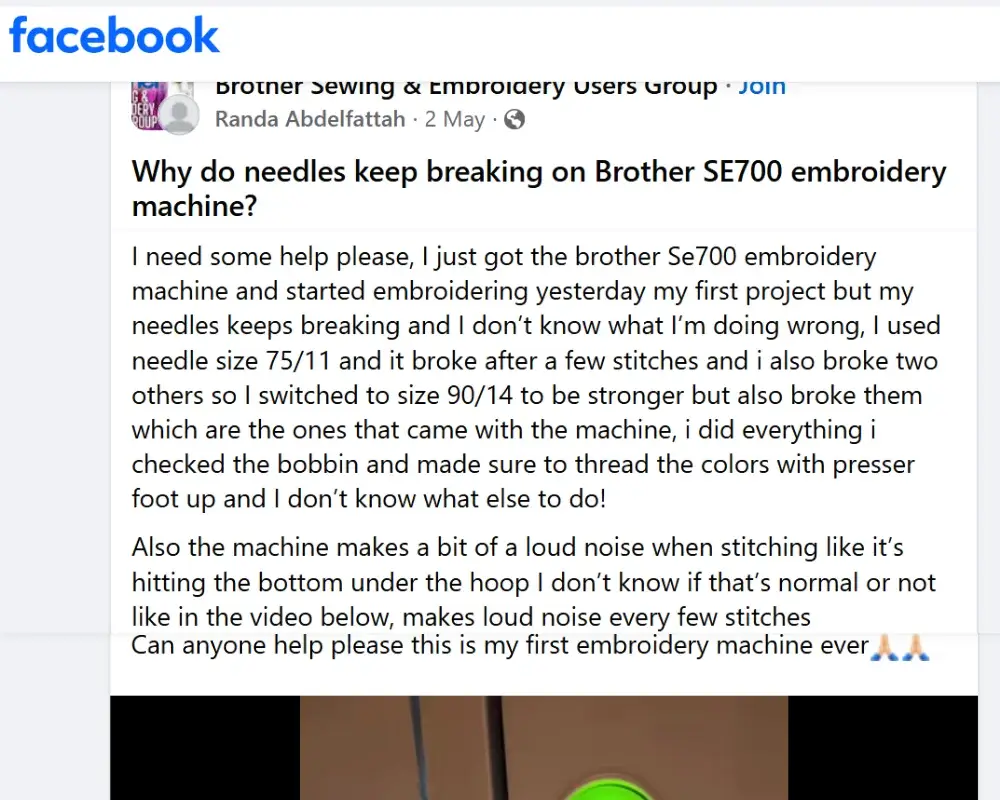
It can break needles for many reasons. The needle itself is not always the main problem.
Common causes include:
- Wrong needle size
- Bent or damaged needle
- Needle installed incorrectly
- Thick fabric
- Heavy seams
- Poor hooping
- Thread problems
- Too much stitch density
- Poorly digitized embroidery files
- Stitching over very thick areas
- Machine timing or mechanical problems
A design can also cause needle breaks. Too many stitches in a small area create extra stress on the needle and thread. Poor stitch direction or bad sequencing can make the problem worse.
A broken needle does not always mean the needle itself is the problem.
If needle breaks happen on the same part of a design, check the embroidery file too. Better digitizing can reduce heavy stitch buildup and help the machine run more smoothly.
How Professional Digitizing Helps You Get Better Embroidery Results
Choosing the right needle is only one part of good embroidery. Your embroidery file also plays a major role in the final result.
A professionally digitized file tells your Brother machine:
- Where to place each stitch
- Which direction the stitches should run
- How dense the stitches should be
- Where to add underlay
- When to trim the thread
- When to change colors
Poor digitizing can cause many problems. These include:
- Needle breaks
- Thread breaks
- Puckering
- Hard or stiff embroidery
- Too many trims
- Too many jump stitches
- Small lettering that closes up
- Uneven outlines
- Fabric distortion
Even the best Brother embroidery machine and the correct needle cannot fully fix a poor embroidery file. Professional digitizing helps control stitch density, underlay, pull compensation, stitch direction, trims, and color sequence. This helps your machine run more smoothly and improves stitch quality.
If you have a logo, artwork, or image, Absolute Digitizing can prepare a clean, machine-ready embroidery file for your Brother machine.
Get your free instant quote today. Send us your artwork, embroidery size, fabric type, and Brother machine details.
How to Choose the Right Brother Embroidery Needle
Before choosing a Brother embroidery needle, check a few important details:
- What Brother machine model do I have?
- What fabric am I embroidering?
- How thick is the fabric?
- What type of embroidery thread am I using?
- Is the fabric woven or knitted?
- Is the embroidery design very dense?
- Does my Brother manual recommend a specific needle system?
These questions help you choose the right needle type and size for your project. A needle that works well on cotton may not work well on denim, knits, or other fabrics.
There is no single embroidery needle that works best for every project. Always match the needle to your Brother machine, fabric, thread, and design.
Conclusion
The right Brother embroidery needle depends on your machine, fabric, thread, and design. Always check your Brother manual before choosing a needle.
A good needle helps your machine run smoothly, but proper digitizing is just as important. When everything works together, you get cleaner and more professional embroidery.
Need a machine-ready embroidery file? Get a free quote from Absolute Digitizing today.
FAQ
A 75/11 needle is a common choice for many general embroidery projects. However, the best needle size depends on your Brother machine, fabric, thread, and design. Always check your machine manual before choosing a needle.
Some Brother embroidery machines can use compatible sewing machine needles. However, embroidery needles are often better suited for embroidery thread and high-speed stitching. Always check your Brother manual to confirm the correct needle system.
Neither size is always better. A 75/11 needle works well for many standard fabrics and general embroidery. A 90/14 needle may be better for thicker or heavier materials. Choose the size based on your fabric, thread, and design.
Most polo shirts use knitted fabric, so a ballpoint needle may work better. Its rounded point moves between the fabric fibers instead of cutting through them. The correct size will depend on the weight of the polo fabric and the embroidery design.
There is no single best needle for every cap. The right choice depends on the cap material, its structure, your embroidery machine, thread, and design. Structured caps may need a stronger needle than softer, unstructured caps.
Needles can break for several reasons. The needle may be bent, damaged, or the wrong size. Heavy fabric, poor hooping, machine problems, or incorrect installation can also cause breaks. An embroidery design with too much stitch density can put extra stress on the needle.
Yes. Poor embroidery digitizing can increase the risk of needle breaks. Excessive stitch density, very short stitches, poor sequencing, and badly placed stitches can put extra stress on both the needle and thread. A well-digitized design helps the machine sew more smoothly and reduces unnecessary stress.